Travel stories, tips, and guides to fuel your next adventure.
Hidden deep within the majestic Himalayan mountains lies Spiti Valley, a destination that perfectly embodies solitude, adventure, and spiritual serenity. Often called the “Middle Land†between India and Tibet, Spiti Valley is one of the most breathtaking high-altitude regions in India. Surrounded by snow-covered mountains, ancient monasteries, dramatic landscapes, and peaceful villages, Spiti offers travelers an experience that goes far beyond ordinary tourism.Unlike crowded hill stations, Spiti Valley provides an untouched environment where travelers can reconnect with nature, culture, and themselves. The region sits at an altitude of around 12,500 feet, making it one of the most unique cold desert destinations in the world. If you are dreaming of a journey filled with adventure, peaceful landscapes, and authentic Himalayan culture, choosing customized Spiti packages by Take A Break can help you experience the valley in the most comfortable and well-planned way.Understanding the Unique Landscape of Spiti ValleySpiti Valley is dramatically different from most Himalayan regions. Instead of lush green forests, travelers are welcomed by vast barren mountains, crystal clear rivers, and stark desert landscapes that create a surreal atmosphere. The valley is located in the northern part of Himachal Pradesh and is surrounded by Tibet on one side and Ladakh on the other.The terrain is rugged yet mesmerizing. Massive mountain walls rise dramatically from the valley floor, while winding roads cut through the mountains creating one of the most thrilling road trip routes in India. Travelers who wish to fully explore these landscapes often prefer to plan your Spiti Trip with Take A Break, as navigating the region requires careful planning due to its remote geography and high altitude.The beauty of Spiti lies not just in its scenery but also in its sense of isolation and peace. With limited commercialization, the valley still maintains its authentic charm, making it perfect for travelers seeking meaningful experiences rather than crowded tourist attractions.The Cultural and Spiritual Heritage of SpitiSpiti Valley is not only famous for its landscapes but also for its rich Buddhist culture and ancient monasteries. The region has deep Tibetan influences that can be seen in the architecture, traditions, festivals, and lifestyle of the local people.One of the most iconic landmarks of Spiti is Key Monastery, a thousand-year-old Buddhist monastery located on a hilltop overlooking the valley. The monastery serves as a center for Buddhist learning and spirituality, attracting travelers who wish to experience the peaceful rhythm of monastic life.Another remarkable destination is Dhankar Monastery, which appears to cling dramatically to a cliff overlooking the Spiti and Pin Rivers. Visiting these monasteries allows travelers to witness centuries-old traditions that have been preserved despite the harsh Himalayan environment.Travelers who want a deeper cultural experience often choose to book your Spiti tour by Take A Break, ensuring that their itinerary includes visits to these historical monasteries, local villages, and traditional festivals.Exploring the High-Altitude Villages of SpitiSpiti Valley is home to some of the highest inhabited villages in the world, where life continues peacefully despite the extreme climate and remote location. These villages offer a fascinating glimpse into Himalayan lifestyle and resilience.The village of Komic, for example, is considered one of the highest motorable villages on earth. Nearby, the village of Hikkim houses the world’s highest post office, where travelers can send postcards to friends and family from an altitude of over 14,000 feet.Another must-visit destination is Langza Village, known for its massive Buddha statue overlooking the valley and its ancient marine fossils embedded in the surrounding mountains. These fossils date back millions of years when the region was once submerged under the Tethys Sea.Travelers who want to explore these remote villages comfortably often choose the ideal Spiti trip by Take A Break, which ensures safe travel routes, comfortable stays, and well-planned village visits.Adventure Experiences that Define Spiti ValleySpiti Valley is widely regarded as one of the best adventure destinations in India. The challenging terrain, high mountain passes, and remote roads make it a dream destination for adventure enthusiasts.The famous Spiti road trip is one of the most thrilling driving routes in the Himalayas. Travelers can reach the valley either through Manali via Kunzum Pass or through Shimla via Kinnaur, both offering stunning views and dramatic landscapes.Adventure activities in Spiti include trekking, mountain biking, camping under star-filled skies, and exploring hidden valleys. The region also offers some of the darkest night skies in India, making it perfect for astrophotography and stargazing.For travelers seeking a well-organized adventure journey, many prefer customized Spiti packages by Take A Break, which allow them to experience the thrill of Spiti while ensuring safety and comfort throughout the trip.Discover Spiti with Take a BreakPlanning a trip to Spiti Valley requires proper understanding of altitude conditions, road accessibility, and seasonal weather changes. Many travelers find it challenging to organize such a remote journey without expert assistance.This is why many explorers choose to Discover Spiti with Take a Break, where experienced travel planners design itineraries that balance adventure, comfort, and authentic local experiences. From transportation and accommodation to monastery visits and village explorations, a carefully curated travel plan ensures that visitors can enjoy the valley without worrying about logistics.Whether you are traveling solo, with friends, or with family, having a structured itinerary helps maximize the experience of Spiti’s vast landscapes and hidden cultural treasures.Best Time to Visit Spiti ValleyThe best time to visit Spiti Valley depends on the type of experience travelers seek. During the summer months from May to September, most roads remain open and the weather becomes relatively comfortable for road trips and sightseeing.Winter, on the other hand, transforms the valley into a frozen wonderland with heavy snowfall and extremely cold temperatures. While winter travel is challenging, it offers a rare chance to witness the raw beauty of the Himalayas in complete silence and solitude.Travelers planning their journey during the summer often plan your Spiti Trip with Take A Break to ensure that road conditions, accommodation availability, and transportation arrangements are handled efficiently.Food, Local Life, and Authentic ExperiencesThe local cuisine of Spiti Valley reflects its Tibetan and Himalayan influences. Simple yet nourishing dishes such as Thukpa, Momos, Butter Tea, and Barley-based meals are commonly served in village homestays and small cafés.Staying in traditional homestays allows travelers to experience the warm hospitality of the Spitian people. Despite living in one of the harshest climates in India, locals maintain a cheerful and welcoming attitude toward visitors.For travelers who want to experience these authentic cultural moments while exploring the valley, choosing to book your Spiti tour by Take A Break helps create a balanced itinerary that includes both adventure and cultural immersion.Frequently Asked Questions (Q&A)1. Why is Spiti Valley called the “Middle Land�Spiti is called the Middle Land because it lies geographically between India and Tibet, both culturally and geographically.2. Is Spiti Valley safe for travelers?Yes, Spiti Valley is considered safe for travelers. However, due to its high altitude and remote terrain, proper travel planning is important.3. How many days are required for a Spiti trip?A typical Spiti trip usually requires 7 to 10 days to comfortably explore major destinations including Kaza, Key Monastery, Langza, Hikkim, and Komic.4. What makes Spiti Valley different from other Himalayan destinations?Unlike green Himalayan valleys, Spiti features cold desert landscapes, Tibetan culture, ancient monasteries, and dramatic mountain formations.5. Do I need a travel package to visit Spiti Valley?While independent travel is possible, many travelers prefer organized trips like the ideal Spiti trip by Take A Break to ensure smoother logistics and better local experiences.ConclusionSpiti Valley is not just a travel destination; it is an experience that combines adventure, spirituality, and breathtaking Himalayan landscapes. From ancient monasteries perched on cliffs to remote villages surrounded by towering mountains, every part of Spiti tells a story of resilience, culture, and natural beauty.For travelers seeking a journey beyond typical tourist destinations, Spiti Valley offers unmatched solitude and unforgettable memories. To make the experience seamless and truly immersive, many travelers choose to customized Spiti packages by Take A Break, ensuring that every moment of the adventure is carefully planned and unforgettable.
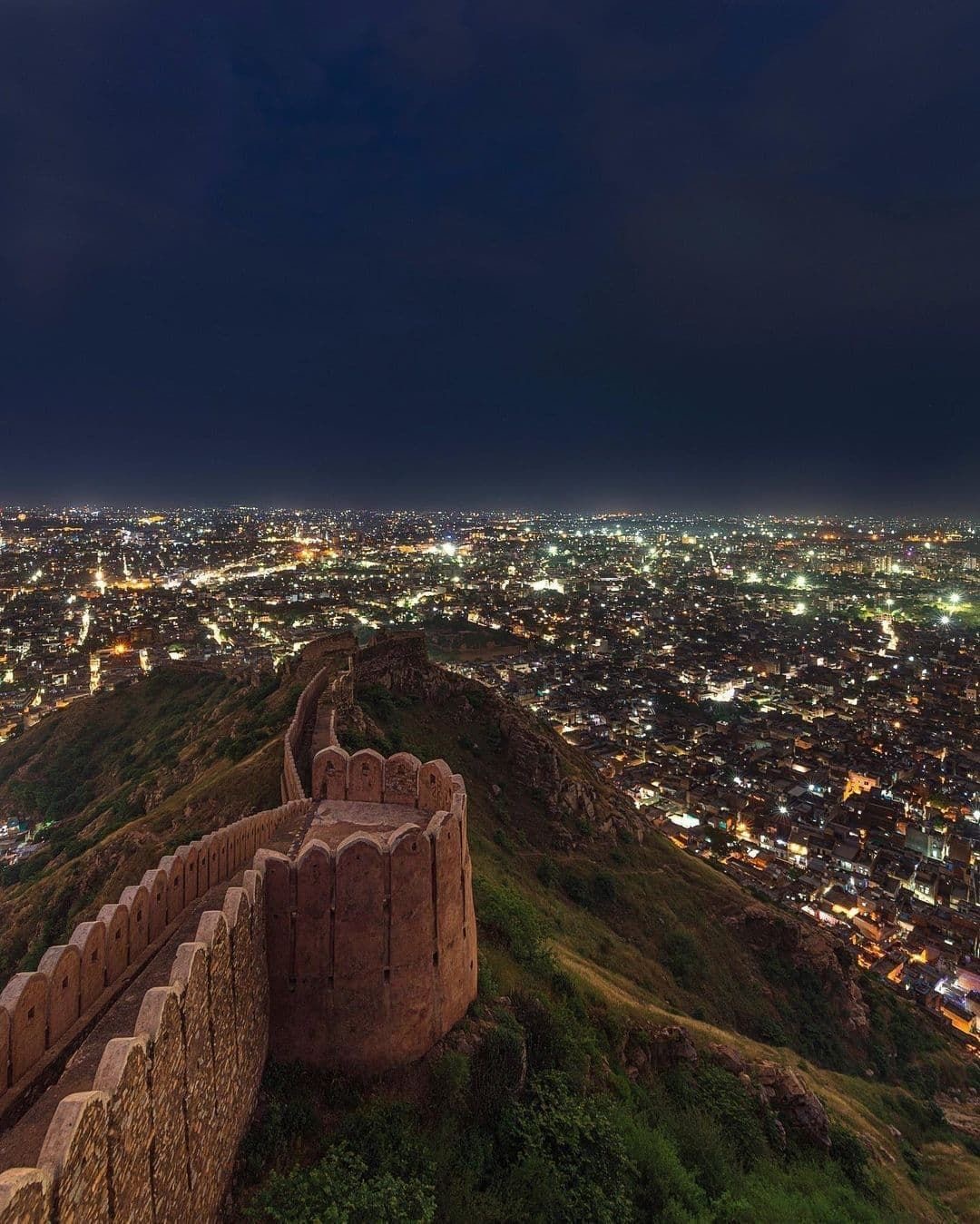
Rajasthan is a vibrant state of incredible India- a land of colourful melange of massive forts, breath taking beauty of palaces, diverse culture, deserts, and mouth watering cuisines that serve as an eye tonic of exotica for travel enthusiasts. Rajasthan- as the name suggests �Raja-ka-sthan,� which means "land of kings� is a boon for keen onlookers. Be it the temples of Pushkar to the valleys of Aravalli hills where the temple of Mata Savitri is situated, Mount Abu is the only hill station situated in Rajasthan, Deeg - a historical city, Jain temple of Ranakpur. The Jodgarh Raoli wildlife in, Pink city of Jaipur is filled with countless monuments, Blue city of Jodhpur is dotted with forts and palaces, Udaipur- the city of lakes is often called the 'Vence of the East'.Best Time to Visit RajasthanWinter Season (October to March):� Ideal for exploring the state's desert charm, forts, palaces, and cultural festivals.� Perfect for outdoor sightseeing and activities.� Day temperatures range between 10�C and 27�C, while nights can drop to 2�C in desert areas.Monsoon Season (July to September):� A good time to witness lush greenery in places like Mount Abu.� Reduced tourist crowds and off-season discounts are available.� Rainfall is sporadic and doesn't disrupt most activities, though some roads may be affected.Summer Season (April to June):� Best time for budget travelers as it's off-season.� Suitable for exploring hill stations like Mount Abu.� Temperatures range from 24�C to 45�C, making it ideal for indoor cultural experiences.12 Places to Visit in Rajasthan in Winter1. Jaipur � The Pink CityJaipur, Rajasthan's capital, is a delightful mix of royal heritage and modern charm. With its majestic forts, intricate palaces, and bustling bazaars, Jaipur offers a unique cultural experience.� Places to Visit: Amber Fort, Hawa Mahal, City Palace, Jantar Mantar, Nahargarh Fort, Jal Mahal� Things to Do: Hot air ballooning, elephant rides, shopping at Bapu Bazaar, exploring local cuisine� Places to Stay: Rambagh Palace, Trident Jaipur, Shahpura House� Nearby Attractions: Sanganer, Chokhi Dhani, Samode Palace� Famous For: Heritage architecture and vibrant markets� Ideal Duration: 2-3 days� How to Reach: Jaipur International Airport is well-connected to major cities. The city is also accessible by train and road from Delhi, Agra, and other parts of India.2. Udaipur � The City of LakesKnown as the Venice of the East, Udaipur captivates visitors with its scenic lakes, regal palaces, and tranquil ambiance.� Places to Visit: Lake Pichola, City Palace, Jag Mandir, Saheliyon Ki Bari, Monsoon Palace� Things to Do: Boat rides on Lake Pichola, shopping for handicrafts, exploring the Vintage Car Museum� Places to Stay: Taj Lake Palace, The Oberoi Udaivilas, Jagat Niwas Palace� Nearby Attractions: Ranakpur, Kumbhalgarh Fort, Eklingji Temple� Famous For: Romantic vibes and luxurious lakefront stays� Ideal Duration: 3-4 days� How to Reach: Maharana Pratap Airport connects Udaipur to major Indian cities. It is also accessible by train and road.3. Jaisalmer � The Golden CityJaisalmer is famous for its golden sandstone architecture and expansive Thar Desert.� Places to Visit: Jaisalmer Fort, Patwon Ki Haveli, Sam Sand Dunes, Gadisar Lake� Things to Do: Camel safaris, desert camping, dune bashing, exploring local markets� Places to Stay: Suryagarh, Desert Tulip Hotel & Resort, Prince Desert Camp� Nearby Attractions: Khuri, Lodurva, Bada Bagh� Famous For: Desert landscapes and golden sunsets� Ideal Duration: 2-3 days� How to Reach: Jaisalmer has an airport for seasonal flights and is accessible by road and rail.4. Jodhpur � The Blue CityJodhpur, with its blue-hued buildings, is a historical city surrounded by stunning forts and palaces.� Places to Visit: Mehrangarh Fort, Jaswant Thada, Umaid Bhawan Palace, Mandore Gardens� Things to Do: Ziplining, exploring Bishnoi villages, shopping for handicrafts� Places to Stay: Ajit Bhawan Palace, Raas Jodhpur, Ratan Vilas� Nearby Attractions: Osian, Kaylana Lake, Nagaur� Famous For: Fort architecture and handicrafts� Ideal Duration: 2-3 days� How to Reach: Jodhpur has a well-connected airport, railway station, and good road connectivity.5. Pushkar � The Sacred CityPushkar, a serene town by a holy lake, is a spiritual and cultural hub.� Places to Visit: Brahma Temple, Pushkar Lake, Savitri Temple, Rangji Temple� Things to Do: Attend the Pushkar Camel Fair, enjoy ropeway rides, savor local delicacies like Malpua� Places to Stay: Ananta Spa & Resorts, Hotel Pushkar Palace, Sajjan Bagh Resort� Nearby Attractions: Ajmer Sharif Dargah, Kishangarh� Famous For: Religious significance and camel fair� Ideal Duration: 2 days� How to Reach: The nearest airport is in Jaipur, and Pushkar is well-connected by road and rail.6. Mount Abu � The Hill StationRajasthan�s only hill station, offering cool weather and scenic beauty.� Places to Visit: Dilwara Temples, Nakki Lake, Guru Shikhar, Achalgarh Fort� Things to Do: Boating, trekking, and exploring wildlife� Famous For: Natural beauty and Jain temples� Ideal Duration: 2-3 days7. Chittorgarh � The City of ValorKnown for its legendary tales of Rajput bravery and massive fortifications.� Places to Visit: Chittorgarh Fort, Rana Kumbha Palace, Vijay Stambha, Meera Temple� Things to Do: Explore historic ruins, attend the Chittorgarh Festival� Famous For: Rajput history and architecture� Ideal Duration: 1-2 days8. Bikaner � The Camel CityA desert city famous for its camel safaris and unique architecture.� Places to Visit: Junagarh Fort, Karni Mata Temple, Lalgarh Palace, National Research Centre on Camel� Things to Do: Camel rides, exploring temples, and savoring Bikaneri snacks� Famous For: Camel festivals and desert culture� Ideal Duration: 2-3 days9. Alwar � The Gateway to RajasthanKnown for its wildlife, haunted fort, and marble pavilions.� Places to Visit: Bhangarh Fort, Sariska Tiger Reserve, Moosi Maharani ki Chhatri, Bala Quila� Things to Do: Jungle safaris, exploring haunted sites� Famous For: Tiger reserve and folklore� Ideal Duration: 2 days10. Ajmer � The Holy CityA spiritual hub with religious and cultural significance.� Places to Visit: Ajmer Sharif Dargah, Ana Sagar Lake, Adhai Din Ka Jhonpra, Taragarh Fort� Things to Do: Offer prayers, explore ancient structures� Famous For: Ajmer Sharif Dargah� Ideal Duration: 1-2 days11. Ranthambore � The Tiger HubA must-visit for wildlife enthusiasts and photographers.� Places to Visit: Ranthambore National Park, Ranthambore Fort� Things to Do: Jungle safaris, birdwatching� Famous For: Bengal tigers and wildlife safaris� Ideal Duration: 2-3 days12. Shekhawati � The Open-Air Art GalleryFamous for its frescoes and grand havelis.� Places to Visit: Mandawa, Nawalgarh, Fatehpur� Things to Do: Heritage walks, exploring painted havelis� Famous For: Frescoes and art heritage� Ideal Duration: 1-2 days13. Barmer � The Desert GemKnown for its vibrant culture and rich handicrafts.� Places to Visit: Barmer Fort, Kiradu Temples, Mahabar Sand Dunes� Things to Do: Camel safaris, shopping for wood carvings and textiles� Famous For: Folk art and traditional crafts� Ideal Duration: 1-2 daysPlan Your Rajasthan AdventureWhether you�re exploring the royal palaces, camping in the desert, or shopping in colorful bazaars, Rajasthan has something for everyone. Plan your visit during winter for the best experience!FAQs1. What is Rajasthan known for? Rajasthan is known for its rich cultural heritage, historical forts and palaces, vibrant festivals, desert landscapes, and traditional art and crafts. Popular attractions include Jaipur (the Pink City), Udaipur (City of Lakes), Jodhpur (Blue City), Jaisalmer (Golden City), and Ranthambore National Park.2. What is the best time to visit Rajasthan? The best time to visit Rajasthan is during the winter months, from October to March, when the weather is pleasant and ideal for sightseeing.3. How many days are sufficient to explore Rajasthan? A typical trip ranges from 7 to 14 days, depending on the cities and attractions you wish to cover. Popular itineraries include the Golden Triangle (Jaipur, Agra, Delhi) or extended trips to Udaipur, Jodhpur, Jaisalmer, and Mount Abu.4. How can I reach Rajasthan? By Air: Major airports include Jaipur International Airport, Udaipur Airport, and Jodhpur Airport.By Train: Rajasthan is well-connected by rail, including luxury options like the Palace on Wheels.By Road: Rajasthan has a good network of roads, and buses and taxis are readily available.5. Is it safe to travel to Rajasthan? Yes, Rajasthan is generally safe for tourists. However, standard precautions such as avoiding isolated areas at night and safeguarding valuables are advisable.
Nestled in the northwestern lap of the majestic Himalayas, Himachal Pradesh stands as one of India’s most enchanting travel destinations. The state is known for its snow-capped mountains, lush valleys, crystal-clear rivers, charming hill towns, and peaceful villages that create a perfect escape from the chaos of urban life. Travelers from across India and around the world visit Himachal Pradesh to experience the serenity of nature, thrilling mountain adventures, and the warm hospitality of local communities.Himachal Pradesh offers a diverse landscape that ranges from dense pine forests and apple orchards to rugged high-altitude deserts and peaceful meadows. Every destination in this Himalayan state presents a unique experience for travelers seeking relaxation, exploration, or adventure.To experience the best of this magnificent region in a comfortable and organized way, many travelers prefer customized Himachal Pradesh packages by Take A Break which allow visitors to explore the mountains with a carefully designed itinerary and seamless travel arrangements.The Natural Beauty That Defines Himachal PradeshThe landscapes of Himachal Pradesh represent some of the most beautiful scenes found anywhere in the Himalayas. Towering mountains covered with snow, winding rivers flowing through valleys, and dense forests create an environment that feels refreshing and peaceful.Destinations like Manali, Shimla, Dharamshala, and Dalhousie have become famous because of their natural beauty and pleasant climate. Manali attracts travelers with its breathtaking mountain views and adventure activities, while Shimla is admired for its colonial architecture and vibrant markets.Dharamshala offers a unique cultural experience influenced by Tibetan traditions, while Dalhousie provides peaceful surroundings and stunning viewpoints that attract travelers seeking tranquility.Exploring these destinations requires proper planning so travelers can enjoy each place without rushing through their journey. For this reason, many visitors prefer to plan your Himachal trip with Take A Break where travel experts design itineraries that balance sightseeing, relaxation, and travel time.Iconic Destinations That Showcase the Charm of HimachalHimachal Pradesh is home to numerous destinations that captivate travelers with their scenic landscapes and cultural significance. Manali remains one of the most popular hill stations in India, offering attractions such as Solang Valley, Rohtang Pass, Hidimba Temple, and Old Manali. Adventure lovers visit this region for activities such as paragliding, skiing, trekking, and river rafting.Shimla, the capital city of Himachal Pradesh, attracts visitors with its charming architecture and historical significance. The famous Mall Road, Ridge, and Jakhoo Temple remain major attractions for travelers exploring the city.Kasol, located in the Parvati Valley, offers a peaceful atmosphere along the banks of the Parvati River. The nearby villages of Tosh and Chalal provide breathtaking views and authentic Himalayan experiences.Travelers who wish to explore these destinations with comfort and convenience often choose to book your Himachal Pradesh tour by Take A Break so that accommodations, transportation, and sightseeing are professionally managed.Cultural Heritage and Lifestyle of the MountainsHimachal Pradesh is not only known for its scenic landscapes but also for its vibrant culture and traditions. The state is home to diverse communities whose lifestyles reflect a deep connection with nature and spirituality. Traditional wooden temples, colorful festivals, and local handicrafts showcase the rich cultural heritage of the region.Travelers visiting Himachal often explore local markets where they can purchase woolen shawls, handmade jewelry, wooden artifacts, and traditional handicrafts created by local artisans. These markets provide insight into the artistic traditions that have been preserved for generations.Food is another important aspect of the Himachali cultural experience. Traditional dishes such as Siddu, Chana Madra, and Himachali Dham offer visitors a taste of authentic mountain cuisine.Travelers who wish to explore both famous destinations and authentic cultural experiences often choose to Discover Himachal with Take a Break and enjoy carefully curated travel routes designed to showcase the true essence of the region.Adventure Experiences in the HimalayasHimachal Pradesh has become a major destination for adventure tourism in India. The mountains provide countless opportunities for outdoor activities that attract thrill-seekers and nature enthusiasts.Trekking trails such as Triund Trek, Hampta Pass Trek, and Kheerganga Trek allow travelers to explore the raw beauty of the Himalayan landscapes. Paragliding in Bir Billing, river rafting in Kullu, and skiing in Solang Valley are some of the most popular adventure experiences offered in the state.These activities allow travelers to experience the mountains in an exciting and memorable way while enjoying breathtaking views of valleys and snow-covered peaks.For travelers who wish to combine adventure with comfortable travel planning, many prefer choosing an ideal Himachal trip Take A Break where itineraries include scenic destinations, adventure experiences, and relaxing stays.Why Himachal Pradesh Attracts Travelers from Across the WorldThe charm of Himachal Pradesh lies in its ability to offer something for every kind of traveler. Couples find romantic landscapes and peaceful hill stations, families enjoy pleasant weather and scenic sightseeing, while adventure lovers explore trekking routes and thrilling mountain sports.Solo travelers often visit Himachal to experience peaceful mountain life and connect with nature. Photographers are drawn to the dramatic landscapes and vibrant local culture that provide endless opportunities for capturing stunning images.The diversity of experiences available in Himachal Pradesh makes it one of the most versatile and attractive travel destinations in India.Frequently Asked Questions (FAQs)Why is Himachal Pradesh a popular tourist destination?Himachal Pradesh attracts travelers because of its scenic mountain landscapes, pleasant climate, adventure activities, and charming hill stations.What is the best time to visit Himachal Pradesh?The best time to visit Himachal Pradesh is between March and June for pleasant weather and between October and February for snowfall experiences.Which destinations should travelers visit in Himachal Pradesh?Popular destinations include Manali, Shimla, Kasol, Dharamshala, Dalhousie, and Spiti Valley.Is Himachal Pradesh suitable for adventure tourism?Yes, Himachal Pradesh offers trekking, paragliding, skiing, river rafting, camping, and mountain biking for adventure enthusiasts.How many days are ideal for a Himachal trip?A comfortable Himachal trip usually requires 6 to 10 days depending on the destinations travelers want to explore.ConclusionHimachal Pradesh truly adorns the northwestern lap of the Himalayas with its breathtaking landscapes, vibrant culture, and unforgettable travel experiences. From snow-covered peaks and peaceful valleys to charming villages and thrilling adventure activities, the state offers an extraordinary journey for travelers seeking both relaxation and exploration.The mountains of Himachal provide a sense of peace and connection with nature that is difficult to find elsewhere. Every destination in this Himalayan paradise invites travelers to slow down, breathe fresh mountain air, and create lasting memories.For travelers who want a seamless and memorable journey through this incredible region, the best option is to plan your Himachal trip with Take A Break and explore the beauty of Himachal with expert travel planning.
“Julle†is a traditional greeting used in the cold desert regions of the Himalayas, especially in Spiti Valley, and it beautifully represents the warmth and hospitality of the people who live in this rugged yet breathtaking region. Spiti Valley is one of the most extraordinary travel destinations in India, offering travelers an experience filled with dramatic landscapes, ancient monasteries, peaceful villages, and adventurous mountain journeys.Located in the northern part of Himachal Pradesh, Spiti Valley is often described as a high-altitude desert surrounded by snow-covered peaks and vast barren mountains. The region attracts travelers who are searching for adventure, solitude, and an escape from the crowded tourist destinations. The journey to Spiti itself is an unforgettable experience, as travelers drive through winding mountain roads, cross high passes, and witness some of the most surreal landscapes in the Himalayas.For travelers who wish to experience the beauty of this remote Himalayan region comfortably, many choose customized Spiti packages by Take A Break where expert travel planners design itineraries that allow visitors to explore Spiti Valley safely and efficiently.The Unique Landscape and Natural Beauty of Spiti ValleySpiti Valley stands apart from other Himalayan destinations because of its dramatic and raw landscape. Unlike the lush green valleys of other mountain regions, Spiti is known for its stark beauty, barren mountains, crystal-clear rivers, and wide open valleys. The terrain resembles a cold desert, yet the scenery feels incredibly majestic and peaceful.Travelers visiting Spiti Valley often describe the experience as stepping into another world. The combination of towering mountain ranges, remote villages, and vast open skies creates a sense of isolation and tranquility that is difficult to find elsewhere. The Spiti River flows gracefully through the valley, adding a touch of life and color to the otherwise rugged terrain.Exploring such a remote region requires careful planning, especially because the distances between villages and attractions can be long. For this reason, many travelers prefer to plan your Spiti Trip with Take A Break so they can enjoy a well-organized journey with proper route planning and reliable accommodations.Exploring the Ancient Monasteries and Villages of SpitiOne of the most fascinating aspects of Spiti Valley is its rich spiritual heritage. The valley is home to several ancient Buddhist monasteries that have stood for centuries and continue to serve as spiritual centers for local communities. These monasteries offer visitors a peaceful atmosphere and an opportunity to learn about Tibetan Buddhist culture.Key Monastery, located on a hilltop overlooking the Spiti River, is one of the most iconic landmarks in the valley. The monastery’s unique architecture and panoramic views make it a must-visit destination for travelers. Another famous monastery is Tabo Monastery, which is more than a thousand years old and is often referred to as the “Ajanta of the Himalayas†because of its ancient murals and artworks.Apart from monasteries, the valley is dotted with small villages such as Kaza, Langza, Hikkim, and Komic. These villages are among the highest inhabited places in the world and offer travelers an authentic glimpse into the simple lifestyle of the Himalayan communities.Travelers who want to explore these destinations comfortably often choose to book your Spiti tour by Take A Break so that transportation and accommodation arrangements are handled by experienced travel professionals.The Adventure and Thrill of Traveling to SpitiSpiti Valley is often called a paradise for adventure lovers because the journey itself is filled with thrilling mountain roads, high-altitude passes, and breathtaking landscapes. Traveling to Spiti requires crossing some of the most dramatic terrains in the Himalayas, making the trip an unforgettable adventure.The route through Manali and the famous Kunzum Pass offers stunning views of glaciers, rugged peaks, and remote valleys. Travelers often experience the excitement of crossing river streams, navigating narrow mountain roads, and witnessing landscapes that change dramatically with every kilometer.Adventure seekers also enjoy activities such as trekking, camping, mountain biking, and photography in Spiti Valley. The region provides endless opportunities for exploration and discovery for travelers who love nature and adventure.To experience the region in the most comfortable and efficient way, many travelers prefer an ideal Spiti trip by Take A Break where itineraries are designed to balance adventure with rest and proper acclimatization.Experiencing the Local Culture and Lifestyle of SpitiThe people of Spiti Valley follow a simple and peaceful lifestyle deeply connected with nature and Buddhist traditions. Local villages are characterized by traditional mud houses, prayer flags fluttering in the wind, and small monasteries that serve as spiritual centers.Visitors often interact with locals who are known for their hospitality and warmth. Homestays have become a popular way for travelers to experience the local culture of Spiti, allowing them to taste authentic Himalayan food and understand the daily life of the mountain communities.Travelers who want to experience both the natural beauty and the cultural richness of the region often choose to Discover Spiti with Take a Break where travel planners design journeys that include cultural experiences along with breathtaking sightseeing.Best Time to Visit Spiti ValleyThe best time to visit Spiti Valley largely depends on the type of experience travelers are looking for. The summer months from May to September are considered the most suitable time for visiting Spiti because the roads remain open and weather conditions are relatively stable.During these months, travelers can explore the valley comfortably, visit monasteries, explore villages, and enjoy scenic drives through the Himalayan landscapes. Winter months, on the other hand, are extremely cold and challenging, but they offer a completely different experience for those seeking solitude and snow-covered landscapes.Proper planning is essential for traveling to Spiti because of the high altitude and remote terrain. Travelers should always ensure that their itinerary allows sufficient time for acclimatization and rest.Frequently Asked Questions (FAQs)What does “Julle†mean in Spiti?“Julle†is a traditional greeting used in the Himalayan regions of Spiti and Ladakh. It is commonly used to say hello, thank you, and goodbye.What is the best time to visit Spiti Valley?The best time to visit Spiti Valley is between May and September when the roads remain open and weather conditions are favorable for travel.How many days are required for a Spiti trip?A comfortable Spiti Valley trip usually requires 7 to 10 days to explore the major destinations and villages.Is Spiti Valley suitable for adventure travelers?Yes, Spiti Valley is one of the best destinations in India for adventure travel, offering trekking routes, scenic drives, and breathtaking landscapes.What are the top places to visit in Spiti Valley?Popular attractions include Key Monastery, Tabo Monastery, Chandratal Lake, Langza Village, Hikkim Village, and Kaza town.ConclusionSpiti Valley truly represents the spirit of adventurous solitude. The valley offers travelers a rare opportunity to disconnect from the busy modern world and immerse themselves in the raw beauty of the Himalayas. From ancient monasteries and peaceful villages to dramatic mountain landscapes and thrilling road journeys, every moment spent in Spiti Valley becomes a memorable experience.For travelers seeking adventure, tranquility, and breathtaking scenery, Spiti Valley remains one of the most extraordinary destinations in India. However, exploring such a remote region requires careful planning and reliable travel arrangements to ensure a smooth and enjoyable journey.For those who wish to explore this magical Himalayan destination comfortably, the best option is to plan your Spiti Trip with Take A Break and experience the adventurous solitude of Spiti with expert travel planning.
Why Rajasthan is Known as a Tourist ParadiseRajasthan is one of the most culturally rich and historically fascinating destinations in India. Known for its grand palaces, magnificent forts, colorful festivals, vast desert landscapes, and vibrant traditions, Rajasthan offers travelers a unique experience that combines history, culture, adventure, and luxury. Every city in the state tells a story of royal heritage, bravery, and artistic brilliance that attracts tourists from across the world.From the pink-colored streets of Jaipur to the golden sand dunes of Jaisalmer, Rajasthan presents a diverse range of experiences that make it a paradise for travelers. The state offers royal architecture, traditional markets, historic monuments, and cultural performances that reflect the legacy of Rajput kings and dynasties.Travelers who want a comfortable and well-planned journey across these historic cities often choose customized Rajasthan packages by take a break where expert planners design itineraries that allow visitors to explore Rajasthan’s heritage without worrying about travel logistics.Royal Heritage and Historical Wonders of RajasthanOne of the most remarkable aspects of Rajasthan tourism is its incredible royal heritage. The state is home to some of the most magnificent forts and palaces in India, many of which have been converted into heritage hotels and museums. These architectural marvels showcase the grandeur of the Rajput era and offer travelers a glimpse into the luxurious lifestyle of the royal families.Cities like Jaipur, Udaipur, Jodhpur, and Jaisalmer are famous for their stunning monuments and historical landmarks. Jaipur is known as the Pink City and features iconic attractions such as Amer Fort, City Palace, and Hawa Mahal. Udaipur is often called the City of Lakes because of its beautiful water bodies and elegant palaces such as the Lake Palace and City Palace.Travelers who wish to explore these royal destinations comfortably often prefer to plan your Rajasthan trip with take a break so that their itinerary includes the most important historical attractions along with sufficient time for sightseeing and cultural exploration.Exploring the Desert Landscapes of RajasthanBeyond its royal heritage, Rajasthan is also famous for its dramatic desert landscapes. The Thar Desert covers a large part of western Rajasthan and offers unique travel experiences such as camel safaris, desert camping, and cultural performances under the star-lit sky.Jaisalmer, also known as the Golden City, is one of the most iconic desert destinations in India. The city is famous for the majestic Jaisalmer Fort, beautiful sandstone architecture, and the breathtaking sand dunes of Sam and Khuri. Visitors often enjoy camel rides across the desert while experiencing traditional Rajasthani music and dance performances in desert camps.Exploring the desert region requires proper travel planning and comfortable accommodations. For a smooth travel experience, many tourists prefer to book your Rajasthan tour by take a break so that transportation, desert camps, and sightseeing arrangements are handled professionally.Cultural Experiences That Define RajasthanRajasthan is not only about historic monuments and desert landscapes; it is also a vibrant cultural destination where traditions, art, and festivals play a central role in everyday life. The colorful attire of local communities, traditional folk dances, and lively festivals create an atmosphere that feels both festive and authentic.Cities like Pushkar, Bikaner, and Jodhpur showcase Rajasthan’s cultural heritage through their local markets, handicrafts, and religious landmarks. Travelers often explore traditional bazaars where they can purchase handcrafted jewelry, embroidered textiles, leather goods, and decorative artifacts that reflect the artistic traditions of the region.Rajasthani cuisine is another highlight of the travel experience. Popular dishes such as Dal Baati Churma, Gatte Ki Sabzi, and Laal Maas offer visitors a taste of authentic regional flavors. Travelers who wish to experience both famous attractions and authentic cultural traditions often choose to Discover Rajasthan with Take a Break where itineraries include heritage sites, cultural markets, and local culinary experiences.Planning the Ideal Rajasthan Travel ItineraryBecause Rajasthan is a large state with many incredible destinations, proper itinerary planning is essential for making the most of the journey. Many travelers try to cover too many cities in a limited time, which can lead to rushed sightseeing and travel fatigue.A well-planned Rajasthan itinerary usually includes Jaipur, Udaipur, Jodhpur, and Jaisalmer spread across seven to ten days. This allows travelers to experience the royal palaces of Jaipur, the lakes of Udaipur, the blue streets of Jodhpur, and the desert landscapes of Jaisalmer without rushing between destinations.Professional travel planning ensures that travelers can explore each destination comfortably while enjoying scenic routes and cultural attractions along the way. Many tourists prefer choosing an ideal Rajasthan trip by take a break so that their travel experience is balanced between sightseeing, cultural exploration, and relaxation.Why Rajasthan Attracts Travelers from Across the WorldRajasthan is considered one of the most iconic travel destinations in India because it offers an extraordinary mix of history, culture, architecture, and natural landscapes. The royal heritage of the region creates an atmosphere that feels timeless, while the colorful traditions of the local communities add warmth and vibrancy to every journey.Travelers visiting Rajasthan can explore magnificent forts, experience desert adventures, enjoy traditional cuisine, and immerse themselves in the vibrant culture of the state. The diversity of experiences available makes Rajasthan suitable for couples, families, solo travelers, photographers, and cultural enthusiasts.Frequently Asked Questions (FAQs)Why is Rajasthan called a tourist paradise?Rajasthan is called a tourist paradise because it offers a unique combination of royal heritage, historic monuments, desert landscapes, cultural traditions, and vibrant festivals that attract travelers from around the world.What is the best time to visit Rajasthan?The best time to visit Rajasthan is between October and March when the weather is pleasant and ideal for sightseeing.Which are the most popular cities to visit in Rajasthan?Jaipur, Udaipur, Jodhpur, Jaisalmer, Pushkar, and Bikaner are among the most popular travel destinations in Rajasthan.How many days are required for a Rajasthan trip?A comfortable Rajasthan trip usually requires 7 to 10 days to explore the major cities and attractions.What activities can travelers enjoy in Rajasthan?Travelers can explore forts and palaces, enjoy camel safaris in the desert, visit traditional markets, attend cultural festivals, and experience authentic Rajasthani cuisine.ConclusionRajasthan truly lives up to its reputation as a tourist paradise, offering travelers an extraordinary journey through history, culture, and breathtaking landscapes. From magnificent palaces and ancient forts to golden desert dunes and vibrant local traditions, every corner of Rajasthan tells a fascinating story that captures the imagination of visitors.The state provides a perfect blend of heritage exploration, cultural discovery, and unique travel experiences that leave lasting memories for travelers. Whether someone wishes to experience royal architecture, desert adventures, or traditional markets, Rajasthan offers something remarkable for everyone.For travelers who want a seamless and memorable journey across this incredible state, the best approach is to plan your Rajasthan trip with take a break and explore the beauty of Rajasthan with expert travel planning.
Aaoa aaoa, aasaa re himachala jo dekha!! Means �come and see what Himachal is�. Himachal Pradesh is the epitome of love and beauty all at once. The name itself makes us feel the snow-capped mountains where "Hima" means "snow" and "Achal" means "mountain". 25th January, 1971, the day when H.P emerged as the eighteenth state of Indian Union. Himachal Pradesh has come a long way since then. Himachal was known since the earliest of times as "Devabhoomi", the abode of the Gods. The splendid heights of the Himalyan ranges, with its calm aura seem the natural home of the Gods. More than 2000 temples state this fact to be true. Unpacking Pahari Culture Himachal is rich in cultural heritage, with a blend of Hinduism, Buddhism, and tribal traditions. The hindu communities residing in Himachal include the Brahmins,?rajputs, kannets, rathis and kolis. The tribal population comprises Gaddis, Gujjars, Lahaulis, Pangawals and Kinnarams. The state�s culture is a fusion of himachali traditions, folk art and customs passed down through generations. Handicraft of this state has always caught eyes since ages that includes carpet, shawls, woodwork etc. Pashmina shawl is one of its famous handicrafts across India. And the most fascinating and prideful symbol for himachali people is their �topi� which is a himachali colourful cap and considered as their identification as a Pahari. Himachali women�s attire comprisesWhy Himachal Means Sukoon for TravelersWhen people talk about peace, mountains, and nature, one destination that instantly comes to mind is Himachal Pradesh. The phrase “Sukoon Matlab Himachal†perfectly captures the essence of this beautiful Himalayan state. Himachal Pradesh is not just a travel destination; it is an experience that brings travelers closer to nature, calmness, and unforgettable mountain landscapes.From snow-covered peaks and lush green valleys to charming hill towns and peaceful riverside villages, Himachal Pradesh offers an incredible variety of travel experiences. Whether travelers are seeking adventure, relaxation, or scenic beauty, the mountains of Himachal provide the perfect escape from busy city life.Many travelers prefer exploring the region through customized Himachal Pradesh packages by take a break so they can experience the best destinations of Himachal with a comfortable itinerary, reliable transportation, and carefully selected accommodations.The Natural Beauty That Defines Himachal PradeshHimachal Pradesh is blessed with breathtaking landscapes that attract travelers throughout the year. Towering Himalayan mountains, dense pine forests, flowing rivers, and picturesque villages create a natural environment that feels peaceful and refreshing.Destinations such as Manali, Kasol, Dharamshala, Spiti Valley, and Shimla showcase the diverse beauty of the region. Manali offers stunning mountain views and adventure activities, while Kasol is known for its peaceful riverside atmosphere. Dharamshala provides a blend of Tibetan culture and scenic landscapes, whereas Spiti Valley presents travelers with dramatic high-altitude desert scenery.Travelers who want to explore these destinations comfortably often choose to plan your Himachal trip with take a break so that every location can be experienced without rushing through the journey.Popular Destinations That Showcase the Charm of HimachalHimachal Pradesh is home to some of the most popular hill stations and travel destinations in India. Shimla, the capital city, attracts travelers with its colonial architecture, vibrant markets, and scenic viewpoints. The Mall Road and Jakhoo Temple remain among the most visited attractions in the city.Manali is another iconic destination that draws adventure seekers and nature lovers alike. Tourists visit Manali to experience Solang Valley, Rohtang Pass, and the beautiful Old Manali region filled with cafes and cultural charm.Kasol, located in the Parvati Valley, is known for its relaxed atmosphere and scenic trekking routes. The nearby villages of Tosh, Chalal, and Pulga offer breathtaking views and authentic Himalayan experiences.Travelers who wish to explore these destinations in a well-organized way often prefer to book your Himachal Pradesh tour by take a break so that travel logistics and accommodations are professionally arranged.Experiencing the Culture and Lifestyle of HimachalBeyond natural beauty, Himachal Pradesh also offers a rich cultural experience. The region is known for its traditional wooden architecture, vibrant festivals, local handicrafts, and warm hospitality of the mountain communities.Villages in Himachal showcase a peaceful lifestyle where traditions and nature exist in harmony. Travelers often visit local markets to purchase handicrafts such as woolen shawls, handmade jewelry, and wooden artifacts.Food also plays an important role in the cultural experience of Himachal. Traditional dishes such as Siddu, Chana Madra, and Himachali Dham provide visitors with a taste of authentic mountain cuisine.For travelers who wish to explore both popular attractions and authentic cultural experiences, many choose to Discover Himachal with Take a Break and enjoy journeys that combine scenic beauty with local traditions.Adventure Experiences in the Mountains of HimachalHimachal Pradesh is not only about peace and relaxation but also offers numerous adventure opportunities for thrill seekers. The state is famous for activities such as trekking, paragliding, river rafting, camping, and mountain biking.Solang Valley near Manali is a major destination for paragliding and winter sports. Bir Billing in Himachal Pradesh is internationally recognized as one of the best paragliding locations in the world. Trekking routes such as Hampta Pass, Triund Trek, and Kheerganga Trek attract adventure lovers who wish to explore the Himalayan landscapes on foot.Travelers who want a balanced experience that includes adventure, sightseeing, and relaxation often choose an ideal Himachal trip take a break where itineraries are designed to include both scenic exploration and adventure activities.Why Himachal is Perfect for Every Type of TravelerOne of the reasons why Himachal Pradesh is considered such a special destination is because it offers something for every type of traveler. Couples looking for romantic mountain getaways find peaceful locations and beautiful landscapes. Adventure lovers discover thrilling outdoor activities and challenging trekking routes.Families visiting Himachal enjoy pleasant weather, scenic sightseeing, and comfortable hill stations where they can relax together. Solo travelers often visit the region to experience peaceful mountain life, meet fellow travelers, and explore remote villages.The diversity of experiences available in Himachal makes it one of the most versatile travel destinations in India.Frequently Asked Questions (FAQs)Why is Himachal Pradesh called the land of peace?Himachal Pradesh is known for its peaceful mountain landscapes, calm villages, and natural beauty, which provide travelers with a relaxing escape from busy city life.What is the best time to visit Himachal Pradesh?The best time to visit Himachal Pradesh is between March and June for pleasant weather and between October and February for snowfall experiences.Which are the most popular destinations in Himachal?Popular destinations include Manali, Shimla, Kasol, Dharamshala, Spiti Valley, and Dalhousie.Is Himachal Pradesh suitable for adventure activities?Yes, Himachal Pradesh is one of the best destinations in India for trekking, paragliding, river rafting, camping, and winter sports.How many days are required for a Himachal trip?A comfortable Himachal trip usually requires 6 to 10 days depending on the destinations travelers want to explore.ConclusionHimachal Pradesh truly represents peace, beauty, and unforgettable travel experiences. From the majestic Himalayan mountains and scenic valleys to vibrant hill towns and peaceful villages, every part of Himachal offers travelers a sense of calm and connection with nature. The phrase “Sukoon Matlab Himachal†perfectly describes the feeling travelers experience when they explore this incredible region.Whether someone is looking for adventure, relaxation, cultural exploration, or breathtaking landscapes, Himachal Pradesh provides an experience that stays in the heart forever.For travelers who want a smooth and well-planned journey through the mountains, the best option is to plan your Himachal trip with take a break and explore the beauty of Himachal with expert travel planning.
 Chat Now